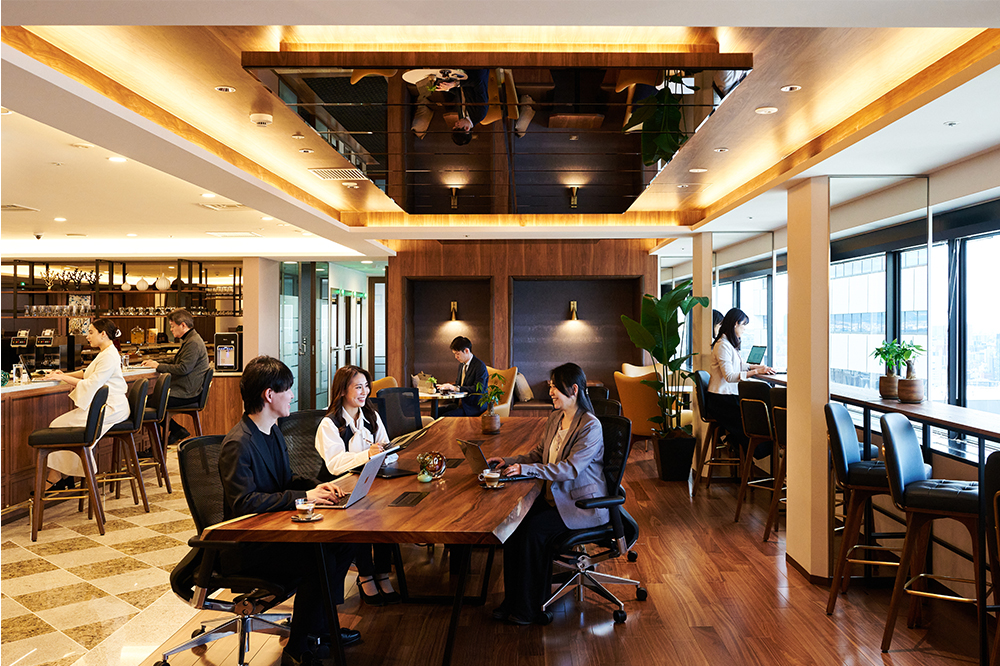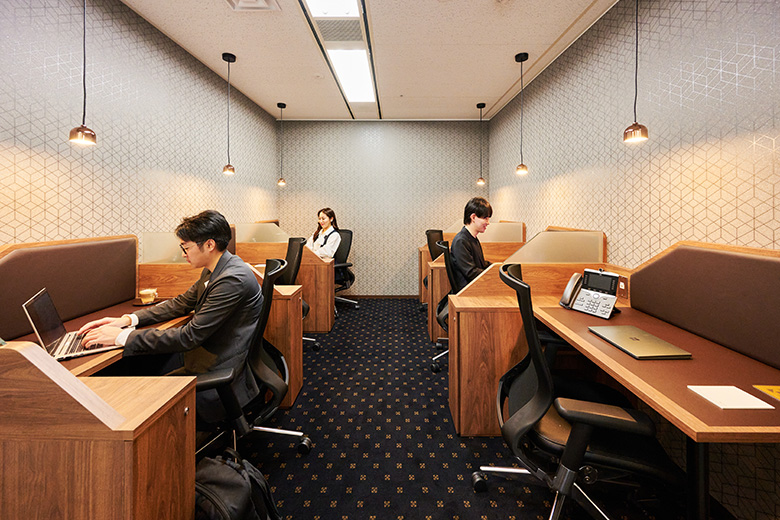
For many professionals in Tokyo, the most productive part of the day starts after the standard workday ends. Managing a side hustle alongside a full-time role often means that evenings are reserved for revisions, live communication with overseas clients, and time-sensitive deliverables that cannot wait until the next morning.
That reality changes how workspace should be evaluated. The issue is not simply where to work, but whether the environment supports concentration, consistency, and a professional quality of output. A coworking space in Tokyo can help solve that problem by giving after-hours work a more structured setting, one that is better suited to consistent execution than an improvised home setup.
Why Night Work Can Be Commercially Useful
Time-zone overlap can support client delivery
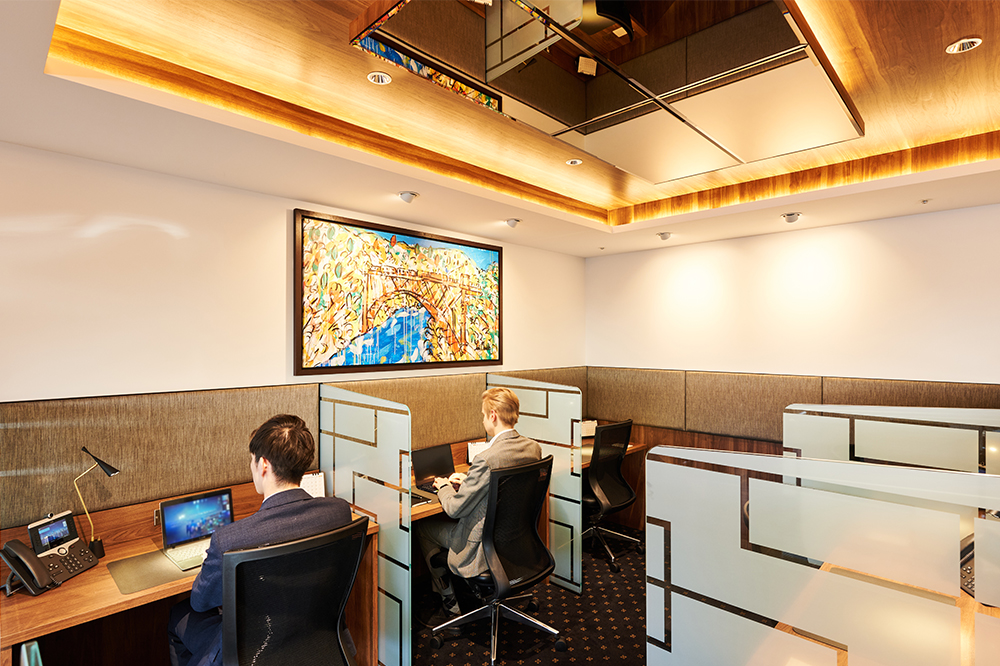
Evening hours often create the overlap needed for live calls, project revisions, and faster turnaround when serving overseas clients from a base in Tokyo. That matters for consultants, designers, developers, marketers, and other service providers whose work, whether full-time or as a side hustle, depends on responsiveness.
The commercial value of night work is straightforward. It creates a workable window for client-facing tasks without forcing every revenue-generating activity into already crowded daytime hours. A consistent evening schedule can make the difference between irregular effort and a dependable operating rhythm.
Fewer interruptions can improve work quality
Late-night work can also reduce internal distractions. Fewer meetings, fewer messages, and fewer interruptions can make it easier to complete tasks that require sustained concentration, such as proposal writing, pricing, research, editing, and strategic planning.
Client confidence often depends on clarity, delivery consistency, and turnaround time. Those standards are harder to maintain in a fragmented environment. A quieter work block can therefore support both productivity and quality.
Some business models fit after-hours work better than others
Not every side hustle fits a late-night schedule. Business models that depend on daytime calls, fixed service hours, or immediate replies may be harder to sustain. Others move forward more effectively because they reward concentration and can progress in clearly defined work blocks outside of standard business hours.
Relevant business models include:
- Solo digital services
- Project-based consulting support
- Tutoring or coaching across time zones
- Asynchronous digital products
- Content, design, development, and research work
The common factor is independence. If the work can move forward without constant real-time coordination, evening sessions become much more useful.
Why Workspace Quality Matters for B2B Work

Professional output depends on the environment
Workspace quality affects more than comfort when client work is handled after hours. It shapes concentration, meeting readiness, and the consistency of work output. This becomes more important once the work involves confidential material, regular calls, or longer sessions that require sustained attention.
Tokyo’s office market further enforces the increase in importance for workspace quality. In Q4 2025, Tokyo’s all-grade office vacancy rate fell to 1.6%, Grade A vacancy fell to 0.7%, and Grade A rents rose to JPY 41,050, the first time in 16 years that rents exceeded JPY 40,000. These figures indicate that demand for well-located professional workspace remains strong in Tokyo. For freelancers and founders working after hours, that reinforces the value of treating workspace as business infrastructure rather than as an optional convenience.
Source: CBRE, Japan Office Market View Q4 2025
Limitations of working from home
Working from home can be efficient for some tasks. It can also become limiting when work involves concentration, confidentiality, frequent calls, or longer client-focused sessions. Shared household space can affect focus, presentation quality, and the boundary between business work and personal time.
Research also suggests that remote work can be associated with loneliness for some workers because informal interaction and casual support are reduced. This is important for independent workers, because isolation can influence morale, routine, and long-term business development.
Why Good Workspace Design Supports Better Work Habits
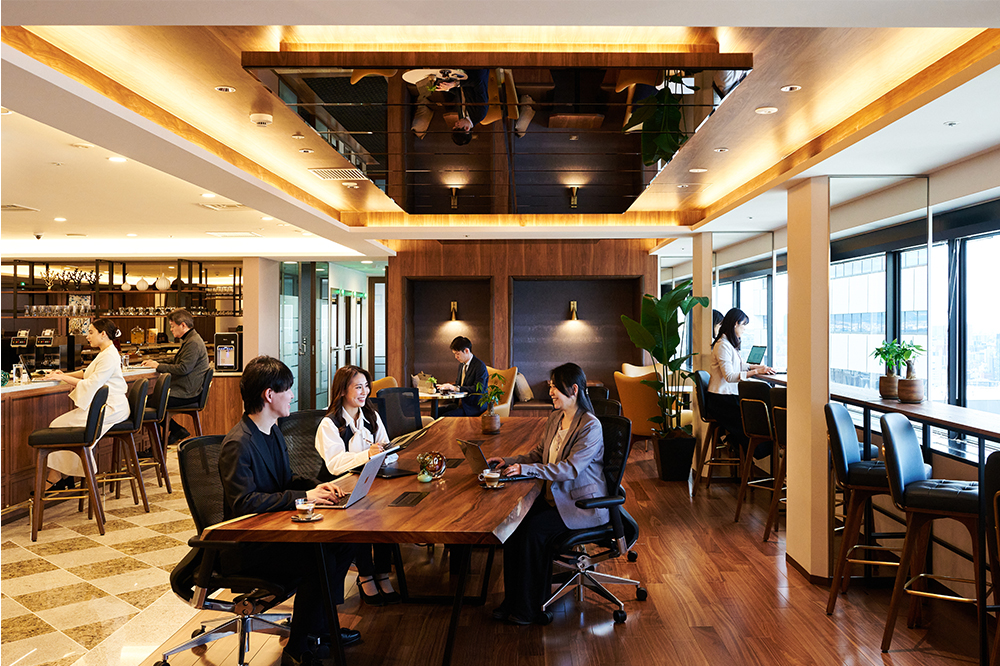
CBRE’s workplace research shows that people continue to value the office as a place for interaction and in-person work. In its 2026 workplace design article, 68% of employees cited collaboration with colleagues as a key reason to come into the office, while 58% pointed to in-person meetings.
This insight is equally relevant to after-hours side hustle work. Even outside standard business hours, many professionals still need to engage in real-time communication, whether through client calls across time zones, project discussions, or ad hoc meetings that require a more professional setting than a home environment can provide.
A well-designed workspace supports not only individual focus, but also these moments of interaction. It creates an environment where switching between deep work and communication is seamless, enabling more consistent execution and a higher standard of output.
For freelancers and entrepreneurs, this has direct operational value. Better workspace design can help:
- Reduce transition time into focused work
- Improve the quality of evening work sessions
- Support more professional client communication
- Make routines easier to sustain over time
Source: CBRE, Beyond the Desk
When Client Work Needs More Than a Desk at Home
A home desk may be adequate for occasional admin or light project work. It becomes less effective once after-hours work starts to carry client expectations, tighter turnaround times, and a higher standard of delivery. At that stage, the issue is no longer convenience. It is whether the working environment can support consistent, professional execution.
A coworking space can provide that environment. It creates clearer separation between home and work, gives after-hours tasks a more structured setting, and reduces the friction of switching into focused work at the end of the day. That matters when output quality depends on concentration, responsiveness, and presentation. The need for sophisticated coworking space usually becomes more obvious when the work starts to involve:
- Client calls and meetings
- Recurring proposal deadlines
- Handling confidential documents
- Access to professional meeting rooms
In those situations, Coworking becomes a relevant solution, because it supports a more disciplined, reliable, and client-ready way of working.
Why Servcorp Coworking Fits After-Hours Professionals
For professionals comparing coworking options, the most relevant question is whether the space supports focused work, provides a powerful impression for client interactions, and offers a sound infrastructure for a sustainable routine. This is where Servcorp’s business solutions can help freelancers, entrepreneurs, and professionals running a side hustle, especially those working with international clients outside standard business hours.
Servcorp’s coworking spaces offer includes features that align closely with late-night professional work, including 24/7 access options, high-speed and secure Wi-Fi, meeting rooms, reception support, and access to a professional business environment. It also offers multiple usage models, from flexible access to dedicated desks and on-demand plans.
For freelancers, entrepreneurs, and remote workers serving international clients, those features support more than convenience. They support delivery quality, meeting readiness, and business continuity. When a side hustle is moving from occasional work into something more structured, that kind of environment can make the work easier to sustain at a professional standard.
Frequently Asked Questions