
Serviced Office vs Coworking Space: Which is Better for Your Business in 2026?
By Yu Akaboshi
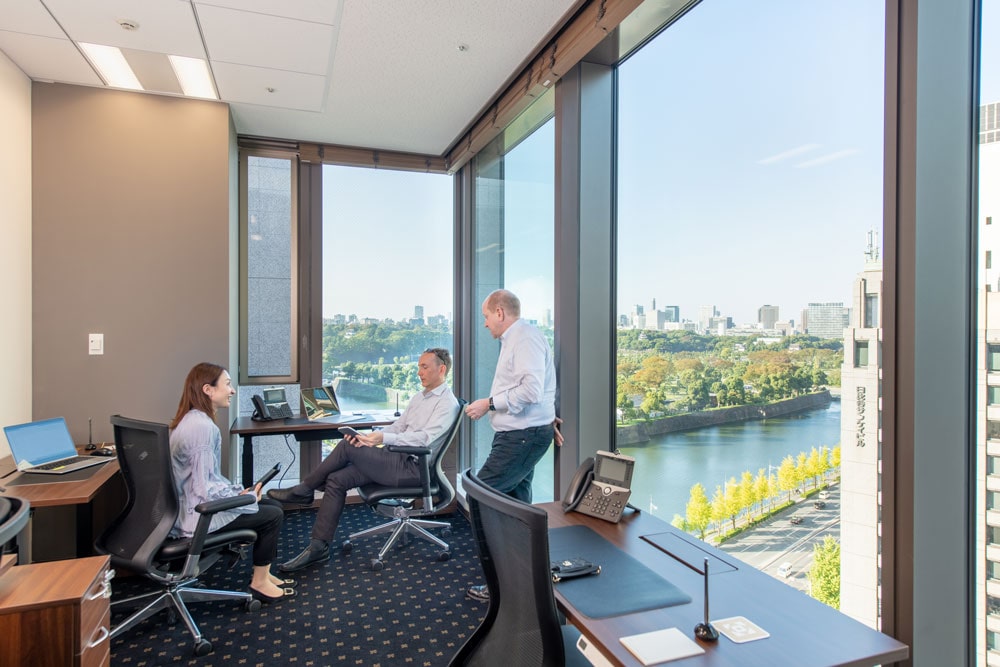
Choosing the right workspace is a critical decision for businesses operating in Japan, particularly in competitive markets like Tokyo. In 2026, companies are increasingly weighing the benefits of serviced offices and coworking spaces as flexible alternatives to traditional leases.
While both options offer convenience and cost efficiency, they serve fundamentally different business needs. A serviced office provides a private, fully managed environment designed to enhance credibility and operational stability. In contrast, a coworking space offers flexibility, community, and lower entry costs, making it ideal for more agile working styles.
This guide compares serviced offices and coworking spaces in Japan, helping you understand the key differences, advantages, and limitations of each, so you can choose the right workspace for your business.
2. Benefits of a Serviced Office
2.1. Fully Furnished and Ready to Use
2.2. Cost-Effective Compared to Traditional Leases
2.3. Access to Premium Meeting Rooms
2.4. Business-Enhancing Technology
2.5. Prime Locations That Support Business Credibility
3. Drawbacks of Serviced Offices: Lack of Control
3.2. 2. Limited External Branding
3.3. 3. Limited Large-Scale Facilities
3.4. 4. Shared Facilities Require Booking
3.5. 5. Less Control Over Infrastructure
5. What are the benefits of Coworking Spaces?
6. Drawbacks of Coworking Spaces to Consider
7. Cost Comparison of Serviced Offices and Coworking Spaces
8. How to Choose the Right Workspace for Your Business
What is a Serviced Office?
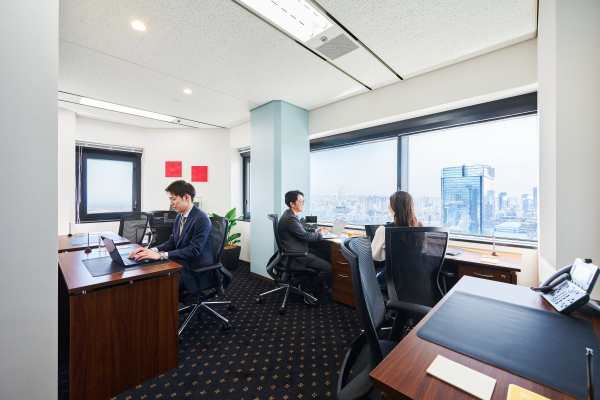
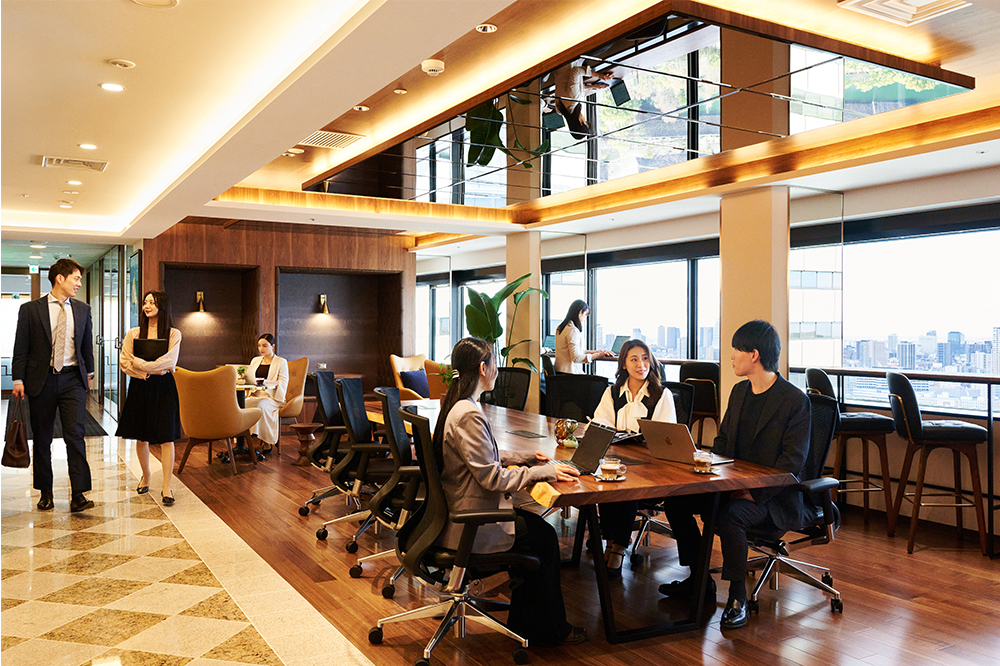
A serviced office is a fully managed workspace that comes furnished and equipped with professional services. Tenants have access to desks, private offices, and shared facilities, with costs covering essentials such as cleaning, utilities, and in some cases business and IT support.
Serviced offices are commonly used by businesses in Japan that prioritize credibility, privacy, and operational efficiency. They are particularly suitable for companies that require a reliable business environment without committing to long term leases, large deposits, or complex office setup processes.
With Servcorp serviced offices, businesses gain access to prestigious addresses such as Marunouchi Trust Tower, YANMAR TOKYO, and Tri-Seven Roppongi, helping to establish trust in Tokyo’s leading business districts.
Benefits of a Serviced Office
A serviced office provides more than just a workspace. Here are the key benefits for businesses in Japan:
-
Fully Furnished and Ready to Use
Serviced offices are fully equipped with essential furniture, high-speed internet, and modern office technology, including meeting room facilities and secure IT infrastructure depending on the provider. This allows businesses to begin operations immediately without the need for setup, installation, or additional capital investment. Companies can focus on their core activities from day one while avoiding the delays and costs typically associated with setting up a traditional office.
-
Cost-Effective Compared to Traditional Leases
A serviced office reduces the financial burden associated with office management. Costs such as maintenance, cleaning, utilities, and in some cases IT infrastructure are included, allowing for predictable monthly expenses without large initial investments.
-
Access to Premium Meeting Rooms
Businesses that interact with clients benefit from access to professional meeting rooms and boardrooms on a per-needs basis. This is particularly important in Japan, where a formal meeting environment contributes to trust and credibility.
-
Business-Enhancing Technology
Some serviced offices provide IT services. For example, Servcorp’s serviced offices provide reliable, high-speed internet and business-grade communication systems. Dedicated IT support ensures stable operations without requiring to outsource or hire and train an IT team.
-
Prime Locations That Support Business Credibility
Serviced offices located in major business areas such as Marunouchi, Otemachi, and Roppongi offer businesses enhanced credibility at reduced costs. A well recognized address in Tokyo enhances your company’s credibility and supports client trust, which is especially important for company registration and business relationships in Japan.
These benefits make serviced offices particularly suitable for businesses that require a professional image, operational stability, and a credible presence.
Explore Servcorp Serviced Office Locations in Tokyo and across Japan.
Drawbacks of Serviced Offices: Lack of Control
While serviced offices offer many advantages, there are some limitations to consider:
1. Limited Customization
Office layouts and design cannot be fully customized. While some internal adjustments are possible, structural changes typically are not allowed.
2. Limited External Branding
External signage and branding are generally restricted. While internal branding is possible, shared areas remain standardized.
3. Limited Large-Scale Facilities
Serviced offices focus on essential business functions. Companies expecting extensive facilities such as gyms or large in-house amenities may find this limiting.
4. Shared Facilities Require Booking
Meeting rooms and shared spaces may need to be reserved in advance, particularly during busy periods.
5. Less Control Over Infrastructure
IT systems and utilities are centrally managed, which may limit flexibility for businesses with specialized technical requirements.
These factors reflect the balance between convenience and control in a serviced office environment and should be considered when deciding what type of workspace best fits your business needs.
What is a coworking space?
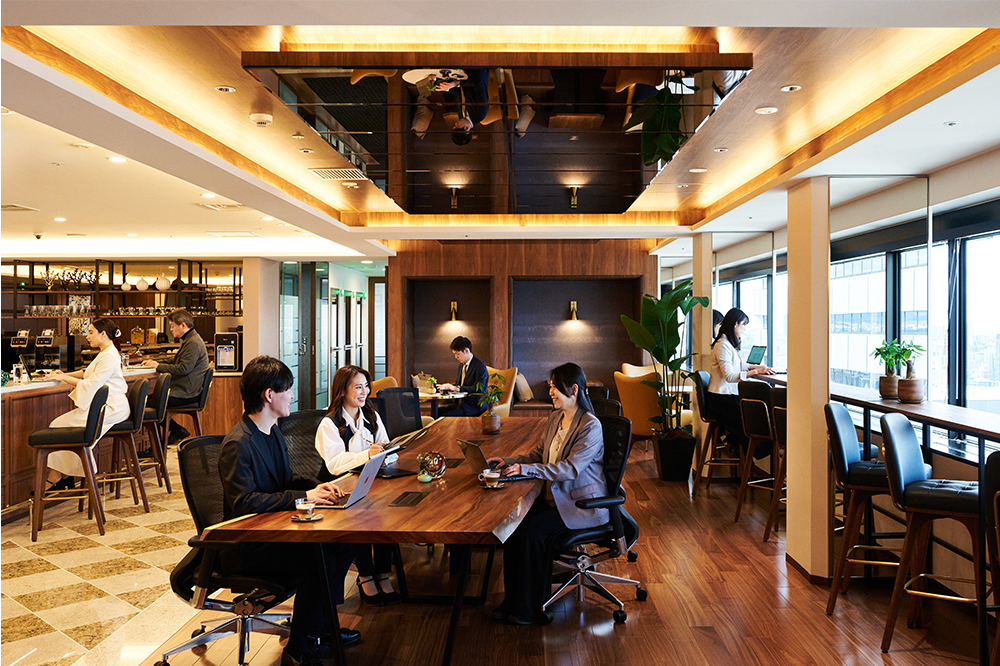
A coworking space is a shared office environment designed for flexibility and ease of use. Members can access hot desks, dedicated desks, or private offices, with services bundled into a membership.
Coworking spaces in Japan are commonly used by freelancers, sole proprietors, start-ups, and small teams seeking a cost-effective and flexible workspace. With Servcorp coworking spaces, members also have access to professional facilities in central locations across Tokyo, Yokohama, Nagoya, Osaka, Fukuoka, and 40 major cities worldwide with the option to use workspaces as needed.
What are the benefits of Coworking Spaces?
Coworking spaces provide access to office infrastructure without the costs associated with renting your own private office. Key benefits include:
-
Cost Efficiency for Small Businesses
Coworking spaces are a cost effective solution, particularly for individuals and small teams, by reducing overhead expenses through shared resources.
-
Flexible Membership Options
Members can choose plans that suit their working style, including daily, monthly, or longer-term options. Dedicated desks are also available for those who prefer consistency.
-
Networking and Collaboration
One of the key differences between coworking and serviced office environments is the community. Events and working in shared spaces fosters collaboration, making coworking ideal for creatives and professionals seeking connections.
-
Access to Professional Amenities
Coworking memberships typically include internet access, printing, meeting rooms, and reception services, supporting daily business operations.
-
Convenient Locations
Many coworking spaces are located in central business areas, making them accessible for both employees and clients.
-
Optional Access to Global Locations
Some providers offer access to international locations, which may be beneficial for businesses with overseas activities.
Explore Servcorp Coworking Spaces in Tokyo and Across Japan.
Drawbacks of Coworking Spaces to Consider
Coworking spaces may not be suitable for all business types. Consider the following:
-
Limited Privacy
Open layouts can make it difficult to maintain confidentiality, which may be a concern when handling sensitive information or client discussions.
-
Noise and Distractions
Shared environments can include background noise, which may affect concentration and productivity.
-
Limited Business Credibility
Compared to a private office in a well-known building, coworking spaces may provide less impact when meeting clients.
-
Availability of Space
Hot desk seating and meeting rooms may be limited during peak hours and require advance booking.
-
Suitability Depends on Business Type
The environment may not be ideal for businesses that require frequent client meetings, confidential discussions, or a highly controlled workspace.
Cost Comparison of Serviced Offices and Coworking Spaces
When comparing serviced offices and coworking spaces, cost and business needs are key considerations.
A serviced office offers predictable pricing, including rent, utilities, office facilities, and business support. While the cost is higher, it provides privacy, stability, and a strong business presence.
A coworking space is generally more affordable and flexible. However, additional costs may arise if private space or meeting rooms are frequently required.
The right choice depends on your business priorities, including credibility, cost control, and operational needs.
How to Choose the Right Workspace for Your Business
Selecting the right workspace requires aligning your choice with your business stage, industry, and working style.
|
Serviced Office Best For |
Coworking Best For |
|
Consultants, small business owners, professional services |
Freelancers, start-ups, individual professionals |
|
Businesses requiring client-facing environments |
Flexible or remote working styles |
|
Companies needing a registered business address in Japan |
Cost-conscious early-stage businesses |
|
Mid-to-large companies expanding into new markets |
Entrepreneurs seeking networking opportunities |
|
Organizations prioritizing confidentiality and trust |
Teams seeking simple and flexible workspace access |
By evaluating factors such as credibility, privacy, flexibility, and cost, you can determine which workspace best supports your business in Japan.
The Future of Flexible Workspaces
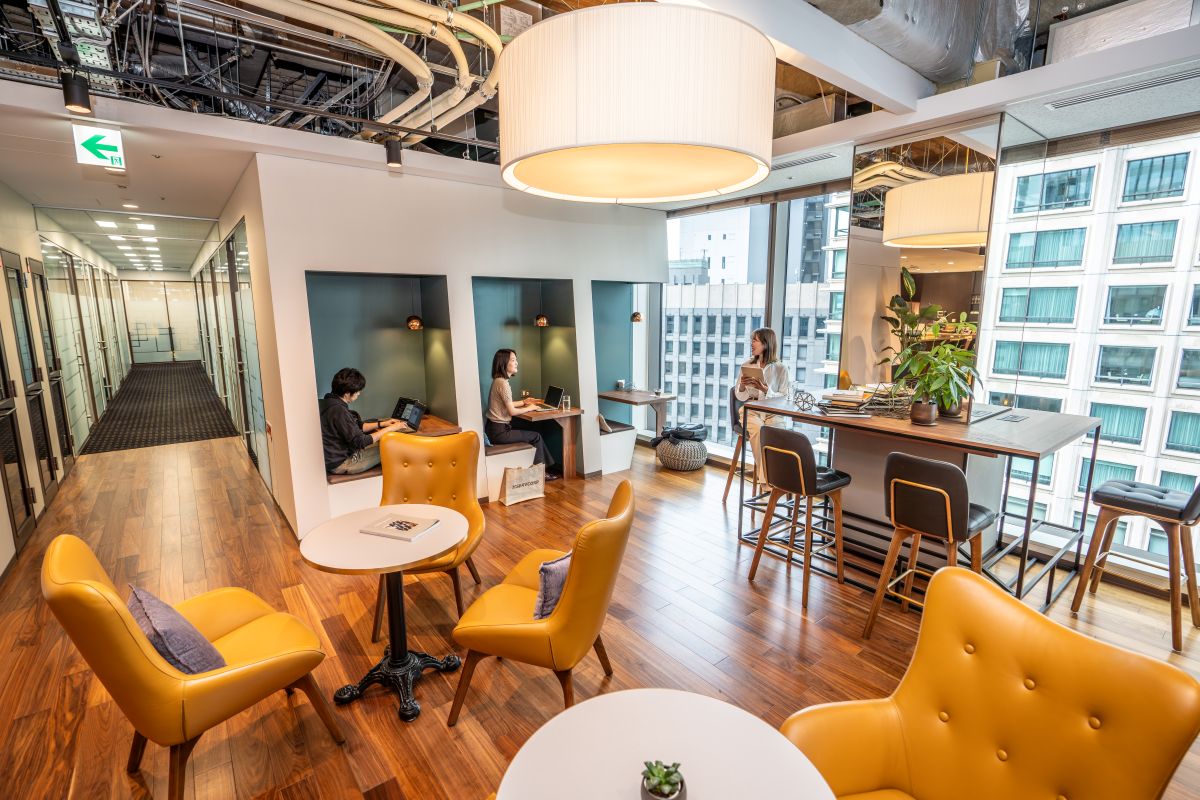
The differences between serviced offices and coworking spaces will continue to shape how businesses operate in Japan.
As more companies adopt hybrid working styles, demand for flexible workspace solutions is increasing. Businesses are combining serviced offices for credibility and client interaction with coworking spaces for flexibility.
Flexible workspace solutions are expected to continue growing in Japan, particularly in major cities such as Tokyo, Nagoya, Osaka, and Fukuoka as companies seek efficient and scalable ways to operate.
Providers like Servcorp offer both serviced offices and coworking spaces in premium locations, allowing businesses to adapt as their needs evolve. These solutions will remain an important part of the future of work in Japan.
Frequently Asked Questions
A serviced office provides private, fully furnished office space with business services included, making it suitable for companies that require privacy, stability, and a credible business presence in Japan. Coworking spaces, on the other hand, offer shared environments designed for flexibility and ease of use, typically used by individuals or small teams.
Coworking is generally more cost-effective, especially for individuals and small teams. Serviced offices involve higher monthly costs but provide greater privacy, a professional business environment, and a more credible address, which can be important for client trust and company registration in Japan.
Serviced offices are ideal for consultants, small business owners, and companies that require a registered business address in Japan, as well as those that need a professional environment for client meetings and confidential work.
Coworking spaces are well suited for freelancers, start-ups, and sole proprietors who prioritise flexibility and cost efficiency, and do not require a fully private office environment.
Yes, many businesses in Japan use both. A serviced office can be used for company registration, client meetings, and confidential work, while coworking spaces can support flexible working styles and day-to-day operations.